
Nutrition / Health Education / Training / Recovery
Protein Intake Guide: Muscle, Fat Loss, GLP-1, Aging and Kidney Safety
Protein is not just a gym topic. It affects strength, appetite, fat loss quality, aging, recovery and long-term independence. This evidence-based guide explains how to set a practical daily protein target without falling for protein-maxxing hype.
Protein is one of the most useful nutrition topics because it connects directly to real outcomes: strength, muscle retention, appetite control, recovery, healthy aging and independence. It is also one of the most abused topics on the internet.
One side sells protein as a miracle. Another side warns that every high-protein meal will destroy the kidneys. Influencers promote “protein-maxxing.” Food companies put “high protein” on snacks that are still ultra-processed. People using GLP-1 weight-loss medicines are told to eat more protein, but many are not given a realistic plan for low appetite, nausea, small meals or muscle preservation. Lifters chase huge daily numbers but neglect training quality. Older adults often need more protein than they think, but may eat less because of appetite, dental problems, cost, habit or digestive tolerance.
This guide gives a practical middle position. Protein matters. It is not magic. It should be planned, not worshipped.
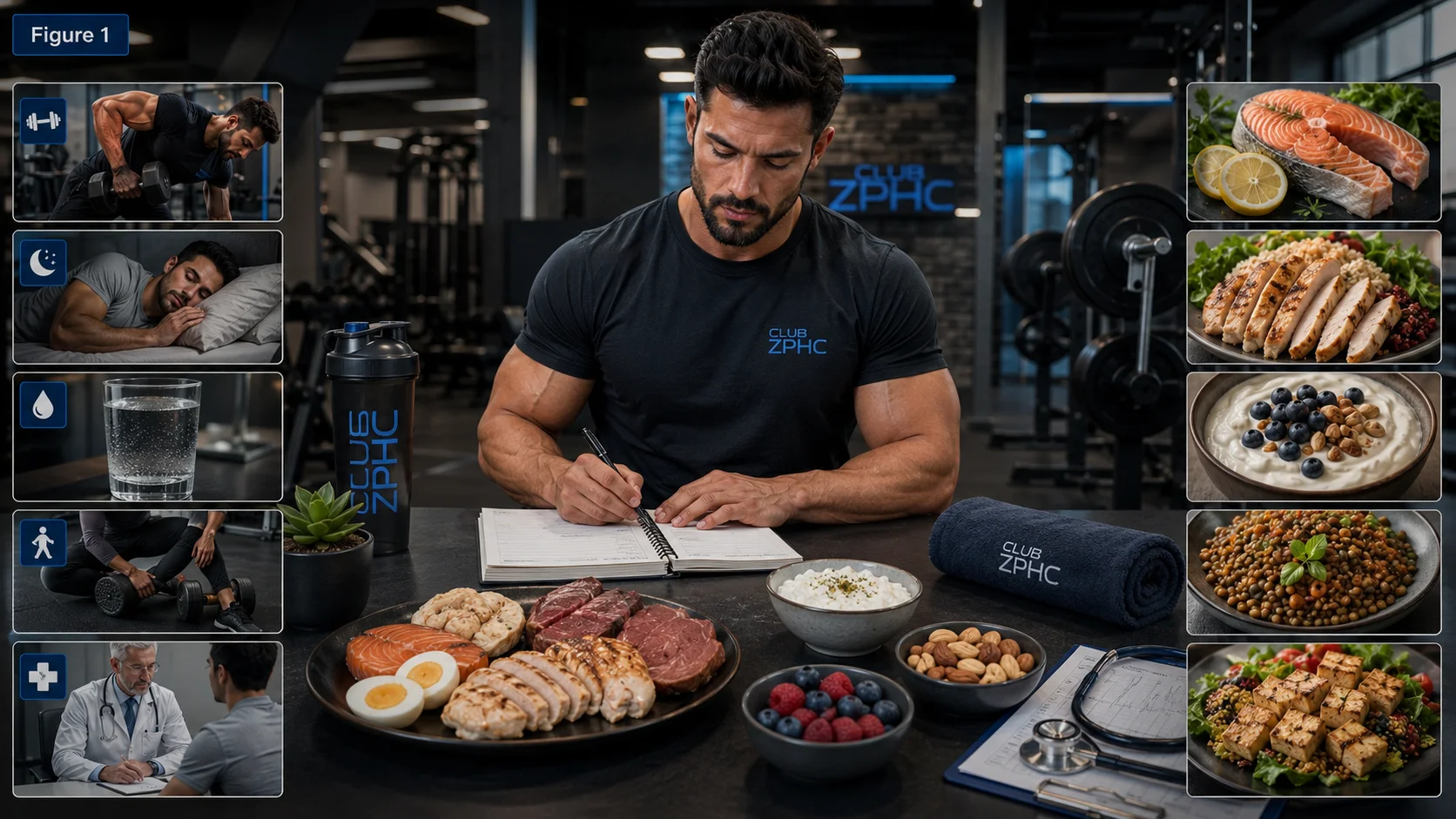
As Figure 1 shows, protein is not a standalone solution. It works best inside a system: enough total food, progressive training, sleep, hydration, recovery, medical common sense and realistic expectations.
Why Protein Is Popular Again
Protein has moved far beyond bodybuilding. In 2026, it sits at the intersection of several major health and fitness trends: strength training, longevity, women’s health, GLP-1 weight-loss medication, active aging, recovery-first training and convenient functional foods. Trend reporting from fitness and wellness organizations has repeatedly emphasized muscle preservation, strength programming and protein-forward nutrition in the GLP-1 era [13,14]. Consumer reports also show rising interest in high-protein foods and protein labels [15].
That attention is not random. Protein is directly relevant to three modern problems.
First, many people are losing weight faster than they are learning how to protect muscle. Weight loss is not automatically high-quality weight loss. The goal should usually be fat loss while preserving as much strength, movement capacity and lean tissue as possible.
Second, populations are aging. Muscle is not just cosmetic tissue. It supports walking speed, balance, glucose disposal, joint function, fall resilience, training capacity and daily independence. Losing strength over decades is expensive physically, emotionally and economically.
Third, social media has turned nutrition into identity. People are not just asking, “How much protein do I need?” They are asking, “Should every meal be high protein?” “Is protein powder necessary?” “Is plant protein enough?” “Can I eat too much?” “Will protein damage my kidneys?” “What if I am on semaglutide or tirzepatide?”
Those are fair questions. The answer is not one number for everyone. The answer is a decision framework.
What Protein Actually Does
Protein is made of amino acids. The body uses amino acids to build and maintain many structures and systems, including muscle tissue, connective tissue, enzymes, hormones, immune proteins, transport proteins and other functional molecules.
For training and body composition, protein matters mainly because it helps repair and remodel tissue after exercise. Resistance training provides the stimulus. Protein provides building material and signaling support. Energy intake provides the broader environment. Sleep and recovery allow adaptation to happen.
A simple way to think about it:
- Training tells the body what to build.
- Protein helps provide the materials.
- Calories influence whether the body has enough energy to build or preserve tissue.
- Sleep and recovery decide whether adaptation can keep up with stress.
This is why protein without training is limited. It may help satiety and general nutrition, but it will not build serious muscle without a mechanical stimulus. At the same time, hard training without enough protein can leave progress weaker than it should be.
Minimum Protein Is Not the Same as Optimal Protein
The adult Recommended Dietary Allowance often quoted in general nutrition guidance is about 0.8 grams of protein per kilogram of body weight per day. The European Food Safety Authority population reference intake is close to this, at 0.83 g/kg/day for adults [1,2]. These values are useful for baseline adequacy in general populations. They should not be confused with the best target for every person trying to build muscle, preserve lean mass during dieting, recover from intense training or age with strength.
Sports nutrition guidance is usually higher. The International Society of Sports Nutrition position stand states that an overall daily protein intake of 1.4-2.0 g/kg/day is sufficient for most exercising individuals who want to build or maintain muscle mass [3]. A major meta-analysis of protein supplementation with resistance training found that protein supplementation enhanced gains in muscle strength and size, with diminishing additional benefit beyond roughly 1.6 g/kg/day for fat-free mass gains in the studied population [4].
That does not mean 1.6 g/kg is a magic ceiling. It means more is not automatically better. A small lifter, older adult, dieting athlete, large person with obesity, endurance athlete, GLP-1 user, rehabilitation patient and sedentary office worker may all need different planning logic.
The practical position is this: minimum protein prevents deficiency; targeted protein supports a goal.
Practical Daily Protein Ranges
Use the following ranges as educational starting points, not prescriptions.
- General healthy adult, no training goal:
- 0.8-1.0 g/kg/day may cover basic needs for many adults, assuming total calories and diet quality are adequate.
- Lightly active adult:
- 1.0-1.2 g/kg/day is often a practical upgrade, especially if meals are low in protein or appetite is inconsistent.
- Regular resistance training:
- 1.4-2.0 g/kg/day is a common evidence-based sports nutrition range for building or maintaining muscle.
- Fat loss with resistance training:
- 1.6-2.2 g/kg/day is often used in practice to support satiety and lean-mass retention, especially when calories are reduced. Lean, trained individuals in aggressive deficits may need more careful individualized planning.
- GLP-1 or appetite-suppressed weight loss:
- Often the priority is not an extreme protein number. The priority is preventing very low intake, distributing protein across small meals, preserving strength training and monitoring symptoms, digestion and body composition. Many people need clinician or dietitian support because appetite, nausea, constipation, reflux, food aversion and rapid weight loss can make targets difficult.
- Older adults:
- The PROT-AGE Study Group recommends at least 1.0-1.2 g/kg/day for many older adults, with higher ranges sometimes considered in illness or malnutrition under professional care [6]. Resistance training remains central.
- Rehabilitation or return from injury:
- Protein needs may rise when people are trying to preserve muscle, rebuild tissue tolerance and maintain lean mass during reduced activity. Medical context matters, especially after surgery, serious injury or chronic disease.
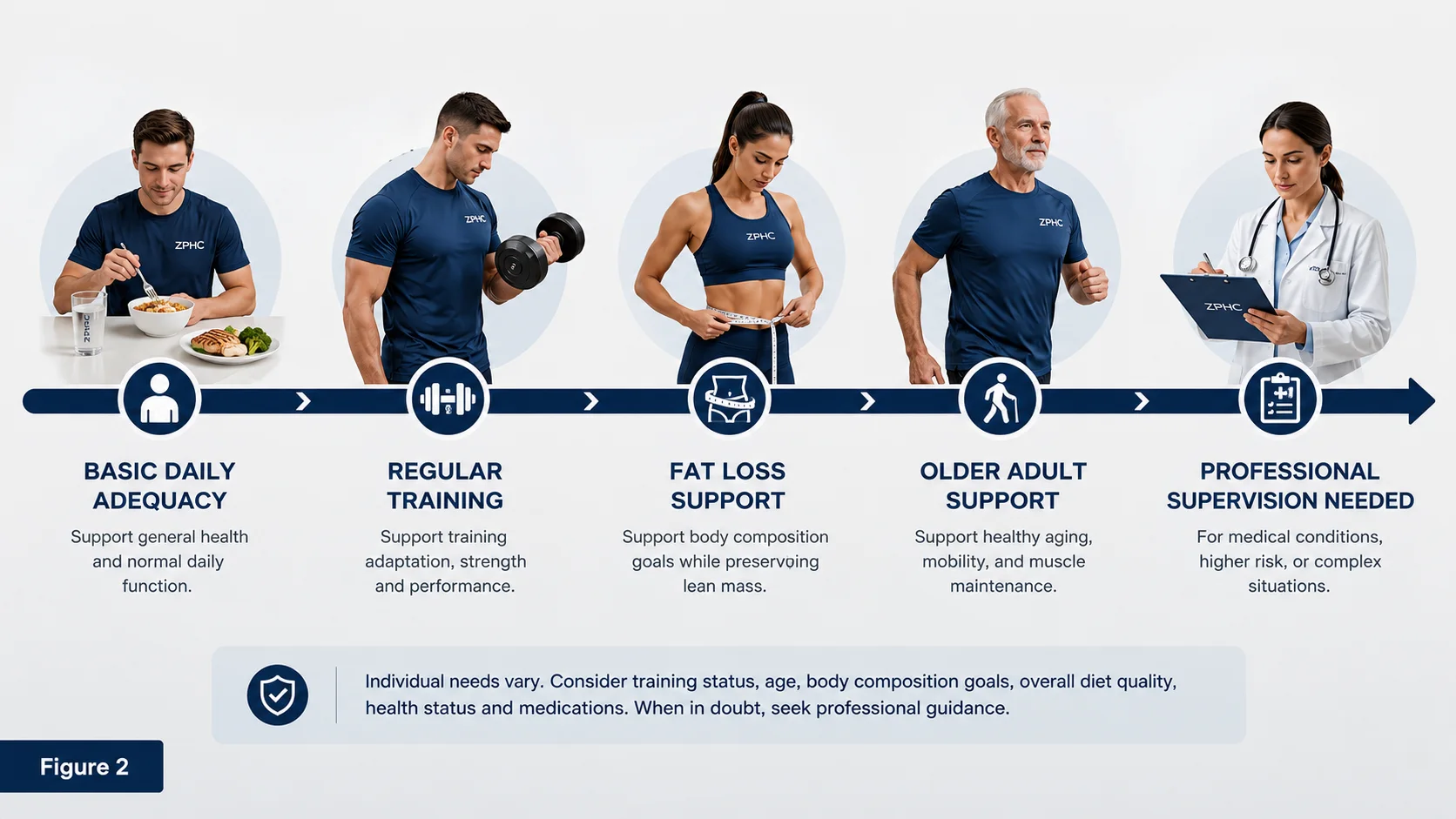
Figure 2 should make one point clear: protein targets move with the goal. The correct question is not “What is the highest number I can eat?” The correct question is “What is the useful range for my current body, goal, training and health status?”
Should You Use Current Body Weight, Goal Weight or Lean Body Mass?
Protein targets are often calculated using body weight. That is simple, but it can be misleading at extremes.
For a normal-weight or athletic person, current body weight usually works well enough.
For a person with obesity, calculating high protein from total body weight can create an unrealistic number. In that case, a goal-weight estimate, adjusted body weight or dietitian-guided target may be more practical.
For a very lean athlete in a calorie deficit, lean body mass and training load may matter more than scale weight alone.
For an older adult, the target must be balanced against appetite, chewing ability, digestive tolerance, kidney function, budget and meal routine.
For a GLP-1 user, the issue may not be calculation. The issue may be execution. A person may know the target but struggle to eat enough because appetite is suppressed. That is a planning problem, not a motivation problem.
A useful rule: the more medically complex the person, the less confident you should be using a generic internet calculation.
Protein Per Meal: The Simple Distribution Rule
Daily total protein matters most. Distribution still matters because muscle protein synthesis responds to protein doses across the day.
The common practical target is 20-40 grams of high-quality protein per meal for many adults. Another useful approach is about 0.25-0.4 g/kg per meal across several meals, depending on body size, age, training status and total daily goal [5]. Older adults may need a stronger protein dose per meal because aging is associated with anabolic resistance, meaning the muscle-building response to smaller protein doses may be weaker.
This does not mean the body “cannot absorb” more than 30 grams of protein. That is a misleading gym myth. The body can digest and absorb protein beyond 30 grams. The more precise point is that the muscle-building signal from a single meal has a dose-response pattern and eventually reaches a practical saturation point. Extra protein may still be used for other purposes, but it may not produce proportionally more muscle-building signal.
A better habit is to distribute protein across the day.
Practical examples:
- Three meals per day: 30-45 grams each, depending on target.
- Four meals per day: 25-40 grams each.
- Small appetite: 15-30 grams per eating occasion, repeated consistently.
- Older adult: prioritize protein at breakfast, lunch and dinner rather than eating most protein at one late meal.
- GLP-1 user: small protein-forward meals may be more realistic than large plates.
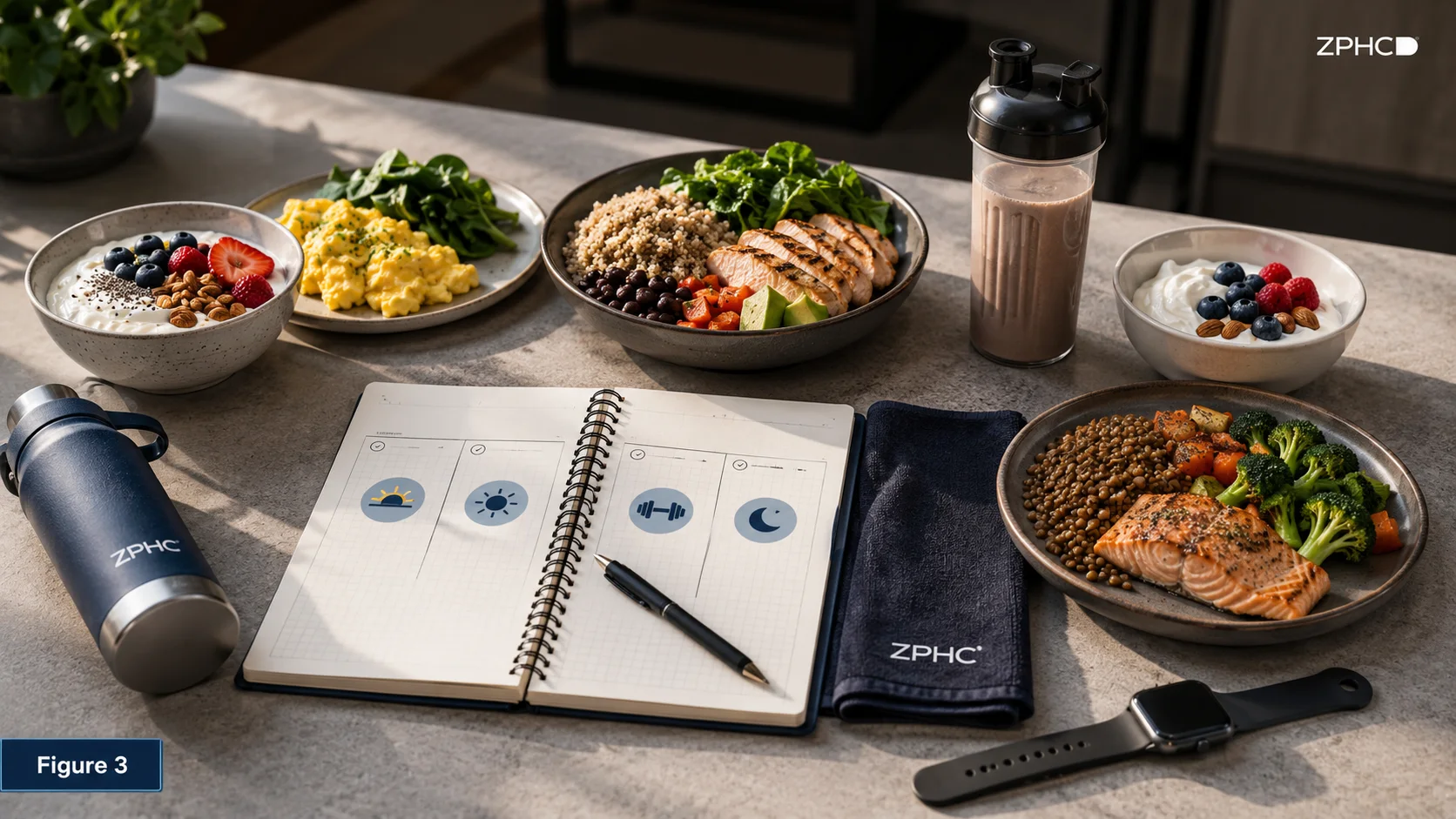
Figure 3 should help readers stop obsessing over one perfect post-workout shake. Protein timing matters less than consistent daily intake, but a day with protein spread across meals is usually easier to execute than a day where most protein is pushed into dinner.
Protein Timing Around Training
Protein timing has been overmarketed. The old idea that you must drink a shake within minutes of training or “waste the workout” is too dramatic. The body’s response to resistance training lasts for many hours.
A practical approach is enough:
- Eat a protein-containing meal within a few hours before or after training.
- If training fasted or after a long gap, eat protein soon afterward.
- If total daily protein is already well distributed, exact timing is less important.
- If appetite is low after training, use a smaller meal or tolerated protein source.
- If training late, avoid a meal so heavy that it damages sleep.
The strongest hierarchy is:
- First: total daily protein.
- Second: meal distribution.
- Third: protein quality.
- Fourth: timing details.
Do not reverse the hierarchy. A perfect post-workout shake cannot fix a low-protein day, poor training plan or chronic sleep debt.
Protein Quality: Animal, Plant and Mixed Diets
Not all protein sources deliver the same amino acid profile, digestibility or nutrient package. This is where people oversimplify.
Animal proteins such as eggs, dairy, fish, poultry, lean meat and whey are generally rich in essential amino acids and tend to be efficient for muscle protein synthesis. Plant proteins such as soy, tofu, tempeh, beans, lentils, peas, chickpeas, seitan, nuts, seeds and whole grains can also support protein goals, but may require more planning because individual plant sources can be lower in one or more essential amino acids, less digestible, or lower in leucine per gram compared with some animal proteins.
That does not make plant protein “bad.” It means plant-based eating needs structure.
Plant-based users should focus on:
- Soy foods such as tofu, tempeh, edamame and soy milk.
- Legumes such as lentils, beans and chickpeas.
- Seitan, if gluten is tolerated.
- Pea or soy protein powders when whole food is not enough.
- Combining legumes and grains across the day.
- Eating enough total calories.
- Using a slightly higher total protein target if needed.
- Monitoring iron, zinc, iodine, calcium, vitamin B12 and omega-3 intake depending on the diet.
Mixed diets often have the easiest execution because they can combine high-quality animal proteins with fiber-rich plant foods. That combination is underrated: protein plus fiber is often better for satiety, gut health and cardiometabolic quality than protein alone.
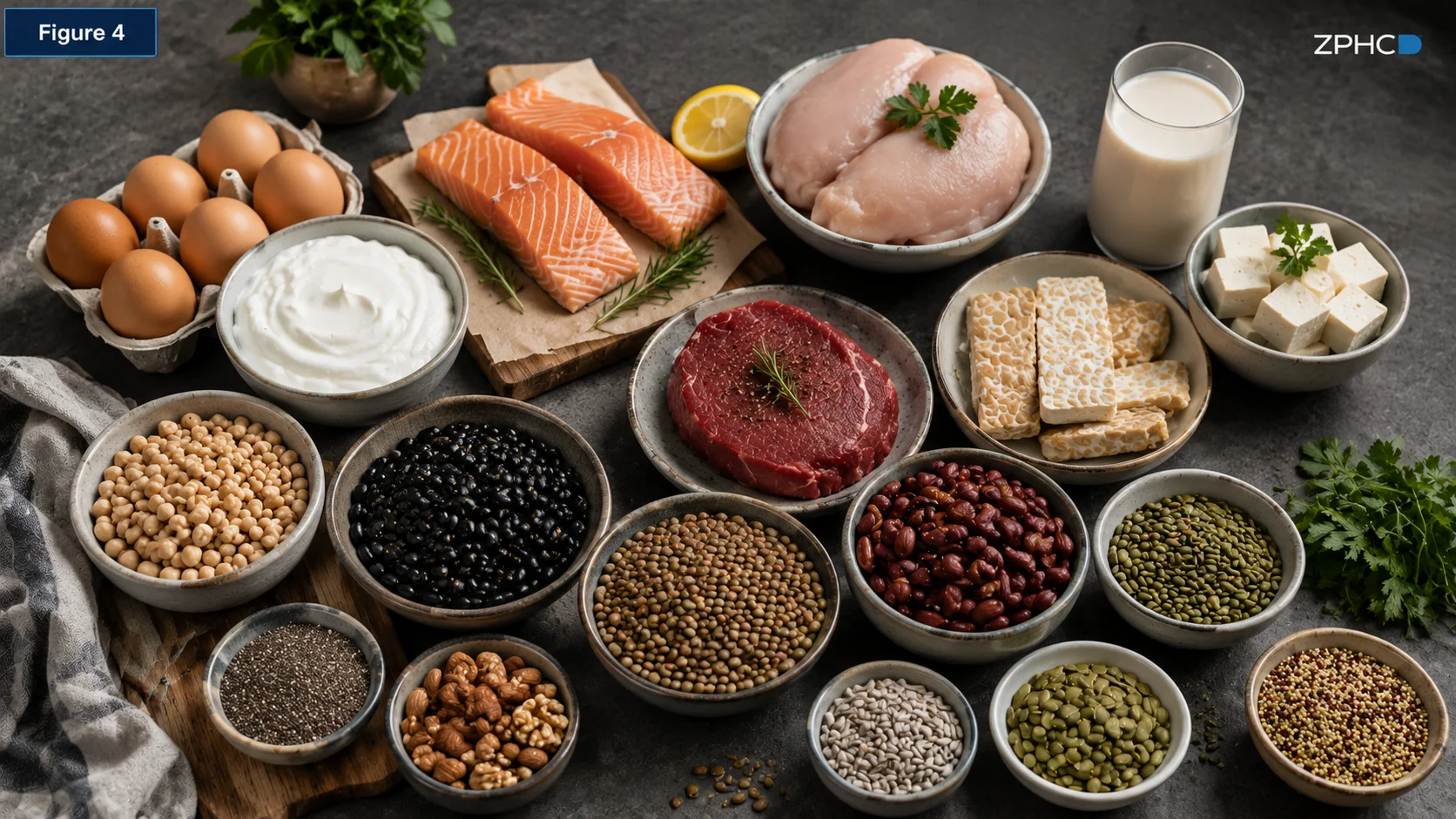
Figure 4 should not look like a supplement advertisement. The message should be food-first. Protein powder can be useful, but whole foods bring minerals, vitamins, fats, fiber and meal satisfaction that powders do not fully replace.
The Protein-Plus-Fiber Rule
A serious nutrition plan does not chase protein while ignoring fiber.
This is a major problem with many internet high-protein diets. People increase meat, protein bars, shakes and low-carb snacks, then reduce fruit, beans, oats, potatoes, vegetables and whole grains. The result can be constipation, poor gut function, low micronutrient variety and a diet that is hard to sustain.
A better rule is protein plus fiber at most meals.
Examples:
- Greek yogurt plus berries and oats.
- Eggs plus vegetables and potatoes.
- Chicken plus rice and salad.
- Fish plus beans and vegetables.
- Tofu plus noodles and greens.
- Lentil soup plus yogurt or eggs if tolerated.
- Protein shake plus fruit and a real meal later.
Protein helps preserve lean tissue and manage appetite. Fiber supports digestion, satiety, blood-lipid control and gut health. Most people do not need a war between macronutrients. They need a plate that works.
Protein for Muscle Growth
Muscle growth requires three conditions.
First, the training stimulus must be strong enough. Resistance training should include progressive overload, adequate hard sets, appropriate exercise selection, technique consistency and recovery. Without this, protein has no reason to become new muscle.
Second, protein intake must be sufficient. Regular lifters usually do well in the 1.4-2.0 g/kg/day range, with many aiming near the middle or upper-middle of that range depending on appetite, body size, goal and calories.
Third, total energy intake must match the goal. A calorie surplus usually supports muscle gain more efficiently. Maintenance calories can work for beginners, detrained people and people with higher body fat. A calorie deficit can preserve or build some muscle in certain conditions, but the margin for error becomes smaller.
The practical muscle-building checklist:
- Train each major muscle group consistently.
- Progress load, reps, sets or execution over time.
- Eat enough daily protein.
- Distribute protein across meals.
- Sleep enough to recover.
- Avoid constant aggressive dieting.
- Track performance, not just body weight.
- Stop changing the plan every week.
Protein supports the process. It does not replace the process.
Protein for Fat Loss
Protein can help fat loss in several ways.
- It can increase satiety compared with lower-protein meals.
- It has a higher thermic effect than carbohydrate or fat.
- It helps preserve lean mass when calories are reduced.
- It makes meals feel more structured.
- It can reduce random snacking when paired with fiber and planned meals.
Research reviews have found that higher-protein diets can support satiety, thermogenesis and weight-management outcomes, although long-term success still depends on total calories, food quality, adherence and behavior [10,11].
The key phrase is “support fat loss.” Protein does not bypass energy balance. A high-protein diet can still cause weight gain if calories are too high. A protein bar can still be a candy bar with better marketing. A protein shake can still become extra calories if added on top of meals that already meet needs.
For fat loss, use protein as a structure tool:
- Set a reasonable calorie deficit.
- Anchor each meal with protein.
- Add high-fiber carbohydrates and vegetables.
- Keep dietary fat controlled but not too low.
- Strength train.
- Walk or perform regular activity.
- Monitor strength, waist, body weight trend and hunger.
- Avoid crash dieting.
Good fat loss is not just lighter body weight. Good fat loss means lower fat mass, preserved strength, tolerable hunger, better health markers and a plan you can continue.
Protein and GLP-1 Weight-Loss Medicines
GLP-1 receptor agonists and related medicines have changed weight management. They can reduce appetite substantially. That creates opportunity and risk.
The opportunity is that people who struggled with hunger may finally sustain a calorie deficit. The risk is that reduced appetite may also reduce protein, fiber, fluids and micronutrient intake. Some people may eat too little, lose weight quickly, stop resistance training, become constipated, feel weak or lose more lean mass than necessary.
Body-composition studies with semaglutide and tirzepatide show substantial fat loss and also some lean mass loss during major weight reduction [8,9]. The interpretation should be balanced. Some lean mass loss is expected when body weight decreases, and body composition can still improve overall. But muscle function, strength, protein intake and resistance training should not be ignored.
A practical GLP-1 nutrition strategy is not “eat huge protein.” Many users cannot do that comfortably. The strategy is to protect the minimum effective habits.
Useful habits include:
- Eat protein first when appetite is low.
- Use smaller meals if large meals trigger nausea or reflux.
- Spread protein across the day.
- Keep easy protein options available.
- Use softer or liquid protein options when tolerated.
- Pair protein with fiber, but increase fiber gradually if constipation is present.
- Hydrate consistently.
- Keep resistance training in the plan.
- Track strength, not just scale weight.
- Report severe symptoms to a clinician.
- Avoid unsupervised extreme dieting.
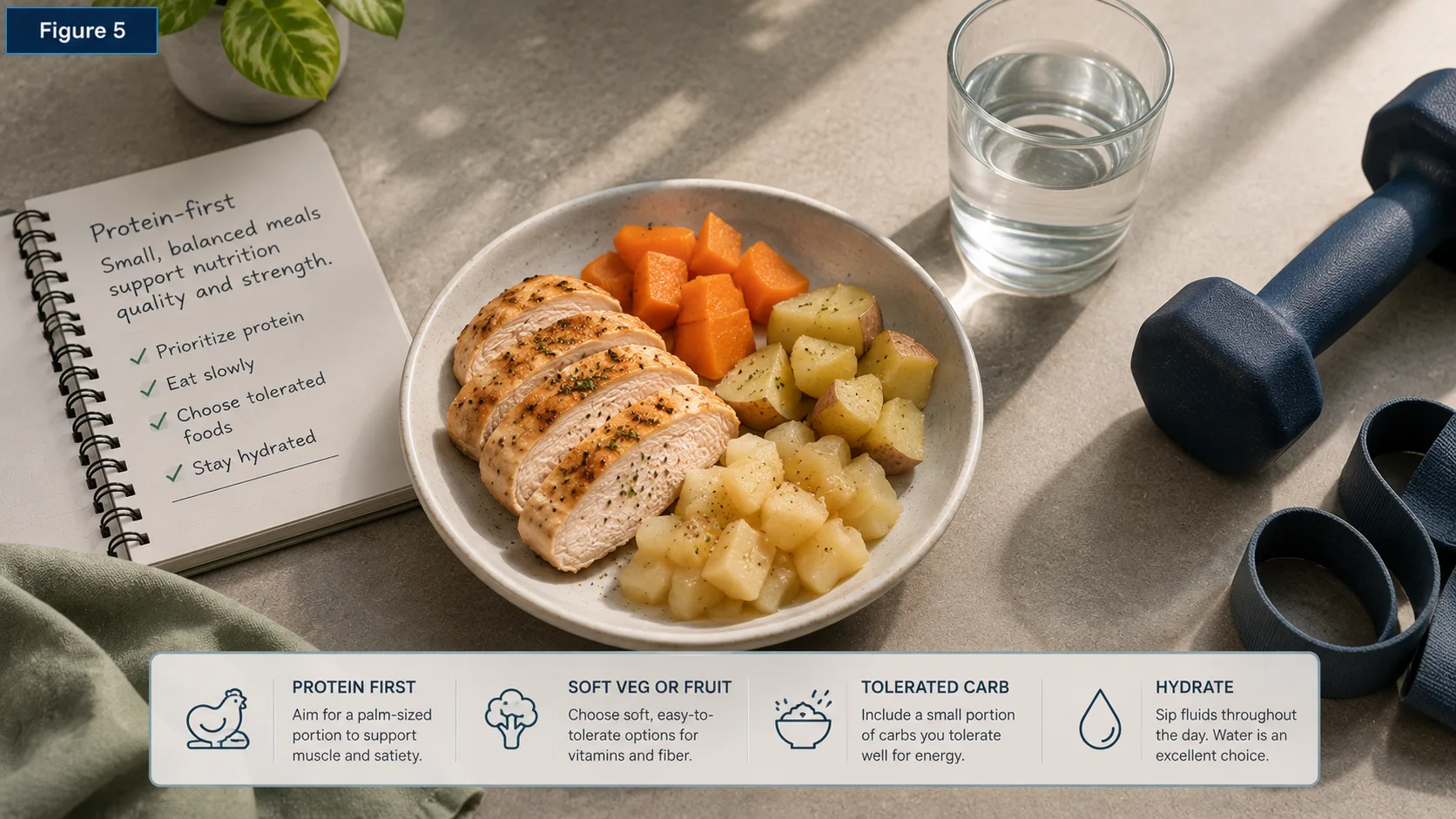
Figure 5 should help readers understand the execution problem. During appetite suppression, the best diet is not the one that looks impressive online. It is the one the person can actually eat, digest and repeat while preserving strength.
Protein for Older Adults
Protein becomes more important with age because the cost of muscle loss rises.
Older adults may experience anabolic resistance, lower appetite, reduced activity, illness periods and gradual strength loss. The PROT-AGE recommendations suggest at least 1.0-1.2 g/kg/day for many older adults, with higher targets in some clinical situations under professional supervision [6].
The goal is not bodybuilding. The goal is function.
- Can you rise from a chair easily?
- Can you carry groceries?
- Can you climb stairs?
- Can you recover from illness?
- Can you maintain balance?
- Can you train safely?
- Can you preserve independence?
Protein helps, but resistance training is still the key signal. A walking program is good, but walking alone does not replace progressive strength work. Older adults should use safe, appropriate resistance training with medical clearance when needed.
Practical older-adult protein habits:
- Do not let breakfast be only toast and tea.
- Add protein to the first meal.
- Use eggs, yogurt, fish, poultry, tofu, milk, soy milk, beans or protein-fortified foods as tolerated.
- Use softer options if chewing is difficult.
- Distribute protein across meals.
- Pair protein with strength exercises.
- Address dental, swallowing, appetite or digestive problems professionally.
- Avoid extreme high-protein experiments without medical review.
The win is not a perfect macro target. The win is preserving capability.
Protein During Rehabilitation and Injury Return
Injury often reduces training volume. Reduced training volume can reduce muscle mass, strength and confidence. Protein can help support tissue repair and lean-mass preservation, but it cannot replace proper rehabilitation loading.
During rehabilitation, protein planning should support the return-to-load process.
The priorities are:
- Eat enough total calories to support healing.
- Avoid crash dieting during serious recovery.
- Keep protein consistent.
- Train unaffected areas if safe.
- Progress rehabilitation load gradually.
- Monitor pain, swelling, strength and function.
- Seek professional guidance for red flags.
People recovering from surgery, fractures, tendon injuries, major illness or complex pain should not rely on internet protein targets. They need individualized care. But the general principle is valid: under-eating during recovery is a common mistake.
Kidney Safety: The Serious Middle Position
Protein and kidney safety must be discussed without panic and without arrogance.
For healthy adults, standard higher-protein diets used in sports nutrition are generally treated as acceptable in the literature when total diet quality is good and there is no kidney disease. However, kidney disease changes the equation. The National Kidney Foundation notes that people with chronic kidney disease may need to limit protein if not on dialysis, while dialysis patients may need more, and that individual dietitian guidance is important [12]. Mayo Clinic similarly warns that high-protein diets may worsen kidney function in people with kidney disease [16].
That means the honest position is:
- Healthy adult with normal kidney function: moderate higher protein is usually low concern.
- Known kidney disease: do not self-prescribe high protein.
- Abnormal creatinine, eGFR or urine albumin: get medical review.
- Diabetes, hypertension or kidney-risk medication use: be more cautious.
- Very high protein intake for long periods: not automatically smarter.
- Protein powders plus high meat intake plus low fiber: poor strategy.
The internet loves extreme confidence. Kidney safety deserves professional caution.
Heart Health: Protein Source Matters
A protein plan can be heart-friendly or heart-hostile depending on food choices.
A diet built mostly on fatty processed meats, low fiber, low fruit, low legumes and low whole grains is not the same as a diet built from fish, yogurt, eggs, poultry, tofu, beans, lentils, vegetables, fruit, whole grains, nuts and seeds. The protein grams may look similar. The health effect may not.
The American Heart Association emphasizes that adults need adequate protein, but the food source and overall dietary pattern matter [17]. Harvard’s Nutrition Source also emphasizes choosing healthy protein foods rather than assuming all protein sources are equal [18].
Practical rule:
Eat enough protein, but do not use protein as an excuse to ignore saturated fat, sodium, fiber, vegetables or overall diet quality.
For many people, the best protein plan includes both animal and plant options. Fish, low-fat or moderate-fat dairy, eggs, poultry, soy foods, lentils, beans and lean meats can all fit depending on culture, tolerance, budget and health status.
Digestive Tolerance: More Protein Is Not Useful If You Cannot Digest It
A protein target that causes bloating, reflux, constipation, nausea or food aversion is not a good plan. Execution matters.
Common digestive problems include:
- Too much protein powder at once.
- Lactose intolerance from whey concentrate or dairy.
- Sugar alcohols in protein bars.
- Low fiber intake.
- Sudden jump in protein intake.
- Very low fluid intake.
- Very low carbohydrate intake.
- Large meals during GLP-1 appetite suppression.
- Too much fat in “high-protein” meals.
Fix the system before blaming protein itself.
Useful adjustments:
- Increase protein gradually.
- Use smaller servings.
- Choose easier sources.
- Spread protein across meals.
- Use whey isolate or lactose-free options if lactose is a problem.
- Use soy, pea or other plant proteins if dairy is not tolerated.
- Increase fiber slowly.
- Drink enough fluids.
- Avoid relying on bars.
- Keep meals simple.
The best protein source is not the one with the loudest marketing. It is the one that fits your body and your routine.
Protein Powders, Bars and Ready-to-Drink Products
Protein supplements are tools. They are not mandatory.
Powder can help when someone struggles to meet protein needs from food, has low appetite, travels frequently, trains hard, eats plant-based, or needs a convenient option after training. Ready-to-drink shakes can help during appetite suppression or busy days. Protein bars can be useful in emergencies.
But convenience creates risk.
Supplements can be mislabeled, contaminated, overpriced, under-dosed or loaded with sweeteners and additives. For tested athletes, supplement risk is also an anti-doping issue. The International Testing Agency warns that neither WADA nor anti-doping organizations approve supplements and that unknown ingredients and unrealistic claims create risk [19]. USADA also warns that dietary supplements can contain prohibited substances or unsafe ingredients [20].
Competitive athletes should treat every supplement decision as a risk decision.
Clean-sport supplement checklist:
- Is food enough?
- Is the supplement truly necessary?
- Is it a simple protein product, or does it include stimulants, fat burners, “test boosters,” SARMs language, peptides language or proprietary blends?
- Is the exact batch independently certified by a credible sport-testing program?
- Can the batch number be verified?
- Can packaging, receipt and lot number be kept?
- Is it legal in the athlete’s country, sport and federation?
- Has a qualified sports dietitian or anti-doping advisor reviewed it?
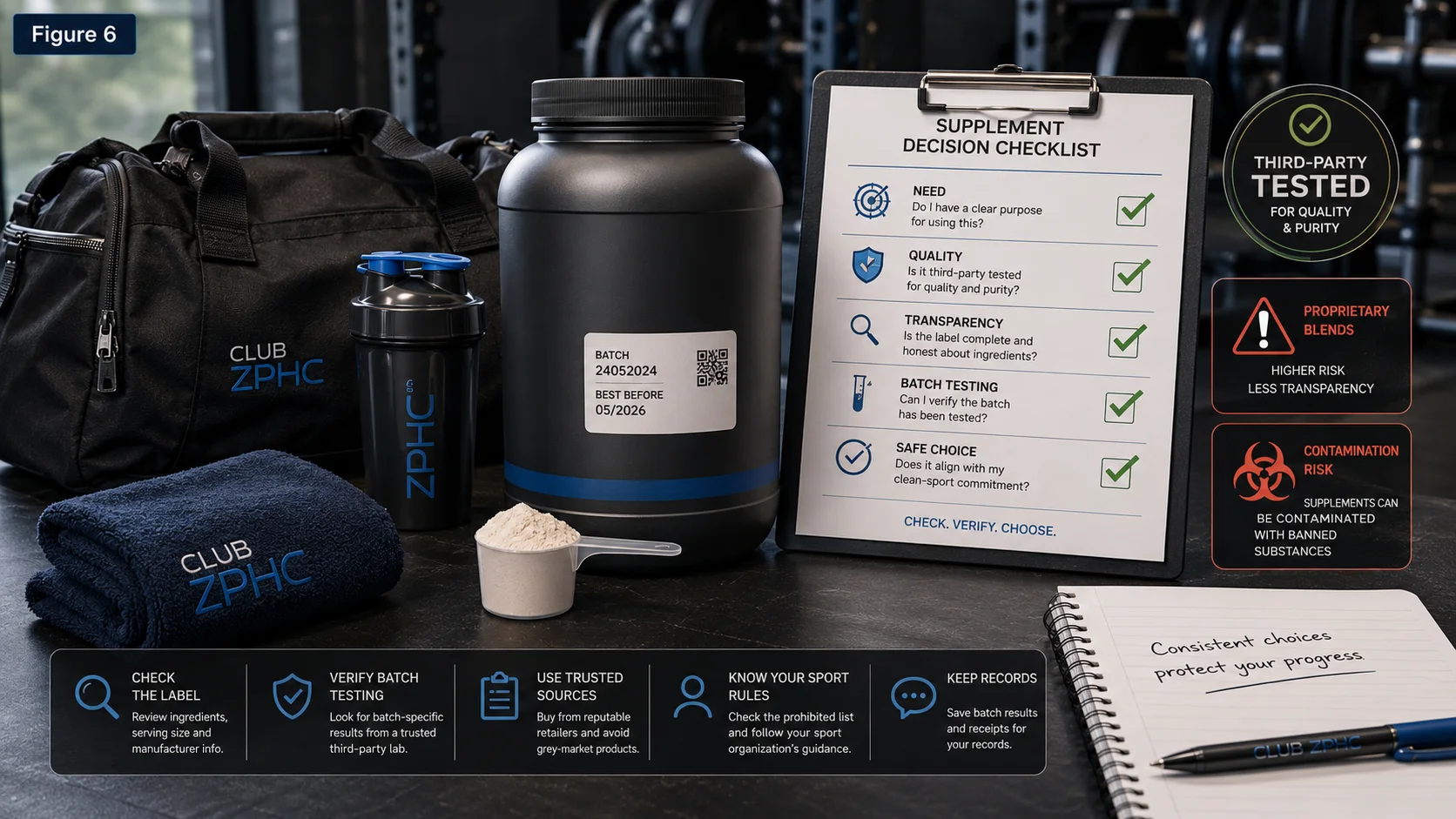
Figure 6 should not make supplements look dangerous by default. It should make them look like tools that require discipline. For non-tested recreational users, third-party quality testing is still useful. For tested athletes, it is critical.
Whey, Casein, Soy, Pea and Collagen: What Is the Difference?
- Whey protein:
- Fast-digesting dairy protein, rich in essential amino acids and leucine. Useful for muscle protein synthesis and convenience. Whey concentrate may contain more lactose; whey isolate is often easier for lactose-sensitive users.
- Casein protein:
- Slower-digesting dairy protein. Often used before longer gaps without food, such as overnight. Not mandatory.
- Soy protein:
- A strong plant-based option with a complete amino acid profile. Useful for plant-based users and people avoiding dairy.
- Pea protein:
- Common plant protein powder. Often useful, but may be lower in some amino acids than dairy or soy. Blends can improve amino acid coverage.
- Rice protein:
- Often used in blends. Alone, it may be less efficient for muscle protein synthesis than higher-quality sources unless total dose and amino acid balance are addressed.
- Collagen protein:
- Collagen is not a complete muscle-building protein because it is low in essential amino acids such as tryptophan and is not the best primary protein source for muscle growth. It may have other use cases in connective tissue research, but it should not replace high-quality dietary protein in a muscle-preservation plan.
The practical default:
- Choose whole foods first.
- Use powder only to fill a gap.
- Pick a protein type you tolerate.
- Avoid proprietary blends.
- For athletes, use batch-tested products.
Common Protein Mistakes
- Mistake 1: Chasing protein while under-training.
- Protein supports adaptation. Training drives adaptation.
- Mistake 2: Eating most protein at dinner.
- Distribution across meals is usually more effective and easier for appetite control.
- Mistake 3: Believing 30 grams is an absorption limit.
- The body can absorb more than 30 grams. The real issue is the muscle-building response and practical distribution.
- Mistake 4: Ignoring fiber.
- High protein with low fiber is a poor long-term play.
- Mistake 5: Assuming all protein foods are equal.
- Processed meat, fish, lentils, Greek yogurt and protein cookies do not have the same health profile.
- Mistake 6: Using protein powder as a meal plan.
- Supplements can fill gaps. They should not replace diet quality.
- Mistake 7: Going too high without a reason.
- More protein is not automatically more muscle.
- Mistake 8: Ignoring kidney risk.
- People with kidney disease or abnormal labs need professional guidance.
- Mistake 9: Forgetting calories.
- Protein has calories. Too much can still block fat loss.
- Mistake 10: Copying influencer targets.
- Your body, training, health status and goal matter more than someone else’s macro screenshot.
A Simple Daily Protein Planning Framework
- Step 1: Define the goal.
- Muscle growth, fat loss, GLP-1 appetite management, healthy aging, recovery, sport performance and general health do not require the same strategy.
- Step 2: Check health status.
- Kidney disease, abnormal labs, diabetes complications, hypertension, pregnancy, breastfeeding, eating disorders, serious illness and medication use all change the decision.
- Step 3: Estimate a range.
- Use a realistic g/kg range based on goal, not the highest number online.
- Step 4: Divide the day.
- Plan protein across three to four eating occasions, or smaller repeated meals if appetite is low.
- Step 5: Choose food anchors.
- Pick reliable proteins you will actually eat: eggs, yogurt, fish, poultry, lean meat, tofu, tempeh, lentils, beans, soy milk, protein powder if needed.
- Step 6: Add fiber and carbohydrates.
- Do not build a protein-only diet. Add fruit, vegetables, legumes, oats, rice, potatoes, whole grains or other tolerated carbohydrates.
- Step 7: Match training.
- Resistance training should support the goal. If protein rises but training does not improve, results will be limited.
- Step 8: Monitor outcomes.
- Track strength, body weight trend, waist, appetite, digestion, energy, sleep, recovery and bloodwork when appropriate.
- Step 9: Adjust.
- If the target is too hard to hit, reduce complexity. If digestion suffers, spread servings. If fat loss stalls, review calories. If strength drops fast, review training load, calories and protein.
- Step 10: Get help when needed.
- Medical complexity is not a willpower challenge. It needs qualified guidance.
Sample Protein Structures
These examples are educational only. They are not meal prescriptions.
Example 1: Regular lifter, three meals and one snack
- Breakfast: Greek yogurt, oats, berries and nuts.
- Lunch: Chicken, rice, vegetables and olive oil.
- Snack: Whey or soy protein shake with fruit.
- Dinner: Fish, potatoes and salad.
- Why it works:
- Protein is distributed. Carbohydrates support training. Fiber is present. The shake fills a gap instead of replacing the whole diet.
Example 2: Fat loss with strength training
- Breakfast: Eggs or tofu scramble with vegetables.
- Lunch: Lean meat, tofu or legumes with a large salad and a controlled carbohydrate portion.
- Snack: High-protein yogurt or protein shake if needed.
- Dinner: Fish, poultry, tempeh or beans with vegetables and potatoes or rice.
- Why it works:
- Protein supports satiety and lean-mass retention. Meals still contain fiber and real food volume.
Example 3: GLP-1 appetite suppression
- Meal 1: Small serving of Greek yogurt or soy yogurt with berries.
- Meal 2: Eggs, tofu or fish with soft vegetables.
- Meal 3: Protein shake or milk/soy milk if solid food is difficult.
- Meal 4: Small portion of chicken, tofu, lentil soup or fish with tolerated carbohydrate.
- Why it works:
- It respects lower appetite. It prioritizes protein without forcing large meals. It still requires clinician guidance if symptoms, rapid weight loss or malnutrition risk appear.
Example 4: Older adult strength and independence plan
- Breakfast: Eggs, yogurt, milk, soy milk or tofu added to the meal.
- Lunch: Fish, chicken, beans, lentils or tempeh with vegetables.
- Snack: Yogurt, cheese, milk, soy milk, nuts or a medically appropriate protein drink if needed.
- Dinner: Protein source plus vegetables and easy-to-chew carbohydrates.
- Why it works:
- Protein appears earlier in the day. Meals support function, not just calories.
Example 5: Plant-based lifter
- Breakfast: Soy milk smoothie with pea or soy protein, oats and fruit.
- Lunch: Tofu or tempeh bowl with rice and vegetables.
- Snack: Edamame, soy yogurt or protein shake.
- Dinner: Lentils, beans, seitan or tofu with grains and vegetables.
- Why it works:
- Soy and legumes anchor the day. Protein is distributed. Total calories are not accidentally too low.
FAQ: Protein Intake
How much protein do I need per day?
It depends on body size, goal, age, training, calorie intake and health status. General adult adequacy often starts around 0.8 g/kg/day. Regular exercisers commonly use 1.4-2.0 g/kg/day. Older adults often need at least 1.0-1.2 g/kg/day. People dieting, using GLP-1 medicines or training hard may need individualized planning.
Is more protein always better?
No. More is useful only until it solves the problem. After that, it may crowd out fiber, carbohydrates, healthy fats, micronutrients or simply add calories. The goal is enough protein, not maximum protein.
Can protein damage kidneys?
People with kidney disease or abnormal kidney markers need professional guidance and may need protein restriction or a specialized plan. Healthy adults using moderate higher-protein diets for training are a different category, but reckless very-high-protein dieting is not a smart default.
Is protein powder necessary?
No. Protein powder is optional. It is useful when food alone is not practical. Whole foods should remain the foundation.
What is the best protein powder?
The best choice depends on tolerance, diet type and risk profile. Whey, casein, soy and pea can all be useful. Tested athletes should prioritize batch-tested products and avoid risky blends.
Is plant protein enough for muscle?
Yes, if total intake, protein quality, amino acid variety, calories and training are handled properly. Soy, tofu, tempeh, legumes, seitan and plant protein powders can be useful. Plant-based users may need more planning.
Should I eat protein before or after training?
Either can work. Total daily protein and distribution matter more than exact timing. If you train after a long fast, eating protein afterward is practical.
Do I need protein before bed?
Not always. Pre-sleep protein can be useful for some athletes or people struggling to meet daily targets, but it is not mandatory. Do not let it disrupt sleep or digestion.
Is collagen good for muscle growth?
Collagen is not the best primary protein for muscle growth because it is not a complete high-quality muscle-building protein. Do not count collagen as the main protein anchor for muscle preservation.
How should GLP-1 users approach protein?
Use protein-first small meals, distribute intake, monitor symptoms, train with resistance and work with the prescribing clinician or dietitian. Appetite suppression can make under-eating easy.
What is the biggest protein mistake?
The biggest mistake is treating protein as a shortcut. Protein supports training, recovery and appetite control. It does not replace training, calories, sleep, fiber, medical judgment or consistency.
Bottom Line
Protein is serious because muscle is serious.
It affects strength, fat-loss quality, appetite, recovery, aging and independence. But protein is not a miracle nutrient. It is one part of a bigger system.
The practical answer is not protein fear and not protein obsession. The practical answer is controlled execution.
Set a realistic target. Distribute protein across meals. Choose mostly whole foods. Pair protein with fiber. Strength train. Protect sleep. Use supplements only when they solve a real problem. Manage kidney and medical risk properly. If sport testing matters, treat every supplement as an anti-doping risk decision.
Protein can change outcomes when it is used intelligently. It can help a lifter build better, help a dieter lose better, help an older adult preserve function, help a GLP-1 user avoid under-eating and help an injured person support recovery.
But the system must stay in charge.
Train. Eat. Recover. Monitor. Adjust. Repeat.
References
- Institute of Medicine. Dietary Reference Intakes for Energy, Carbohydrate, Fiber, Fat, Fatty Acids, Cholesterol, Protein, and Amino Acids. National Academies Press. 2005
- European Food Safety Authority. Scientific Opinion on Dietary Reference Values for protein. EFSA Journal. 2012
- Jäger R, Kerksick CM, Campbell BI, et al. International Society of Sports Nutrition Position Stand: protein and exercise. Journal of the International Society of Sports Nutrition. 2017
- Morton RW, Murphy KT, McKellar SR, et al. A systematic review, meta-analysis and meta-regression of the effect of protein supplementation on resistance training-induced gains in muscle mass and strength in healthy adults. British Journal of Sports Medicine. 2018
- Schoenfeld BJ, Aragon AA. How much protein can the body use in a single meal for muscle-building? Implications for daily protein distribution. Journal of the International Society of Sports Nutrition. 2018
- Bauer J, Biolo G, Cederholm T, et al. Evidence-based recommendations for optimal dietary protein intake in older people: a position paper from the PROT-AGE Study Group. Journal of the American Medical Directors Association. 2013
- Deutz NEP, Bauer JM, Barazzoni R, et al. Protein intake and exercise for optimal muscle function with aging: recommendations from the ESPEN Expert Group. Clinical Nutrition. 2014
- Look M, Dunn JP, Kushner RF, et al. Body composition changes during weight reduction with tirzepatide in the SURMOUNT-1 study of adults with obesity or overweight. Diabetes, Obesity and Metabolism. 2025
- Wilding JPH, Batterham RL, Calanna S, et al. Impact of semaglutide on body composition in adults with overweight or obesity: exploratory analysis of the STEP 1 study. Diabetes, Obesity and Metabolism. 2021
- Paddon-Jones D, Westman E, Mattes RD, et al. Protein, weight management, and satiety. American Journal of Clinical Nutrition. 2008
- Halton TL, Hu FB. The effects of high protein diets on thermogenesis, satiety and weight loss: a critical review. Journal of the American College of Nutrition. 2004
- National Kidney Foundation. CKD Diet: How much protein is the right amount?
- American College of Sports Medicine. The Future of Fitness: ACSM Announces Top Trends for 2026
- National Academy of Sports Medicine. Top Fitness Trends 2026: What Trainers Need to Know
- Cargill. Cargill’s 2025 Protein Profile finds 61% of consumers report increasing their protein intake in 2024
- Mayo Clinic. High-protein diets: Are they safe? 2025
- American Heart Association. Protein: What’s Enough? 2024
- Harvard T.H. Chan School of Public Health. Protein. The Nutrition Source.
- International Testing Agency. Supplements.
- U.S. Anti-Doping Agency. Supplement Connect: Realize that Safety Issues Exist.
- FAO. Dietary protein quality evaluation in human nutrition: Report of an FAO Expert Consultation. 2013
- Hudson JL, Bergia RE, Campbell WW. Protein Distribution and Muscle-Related Outcomes: Does the Evidence Support the Concept? Nutrients. 2020
- Nunes EA, Colenso-Semple L, McKellar SR, et al. Systematic review and meta-analysis of protein intake to support muscle mass and function in healthy adults. Journal of Cachexia, Sarcopenia and Muscle. 2022
- Karakasis P, et al. Effect of glucagon-like peptide-1 receptor agonists and co-agonists on body composition: systematic review and meta-analysis. 2025
- Codella R, et al. GLP-1 agonists and exercise: the future of lifestyle prioritization. 2025
- NSF Certified for Sport
- Informed Sport. Sports Supplements Certification
Editorial policy: CLUB ZPHC® Editorial Standards
Sources and review notes
Sources last checked: 2026-06-13. Scientific, medical, nutrition and anti-doping references are used for health, safety, sport-status and practical planning claims. Trend references are used only to support context about current public interest and search demand.
Corrections and updates
CLUB ZPHC® may update educational pages when sources, guidance, terminology, safety notes or internal editorial standards change.